Lessons I Learned from My Toddler
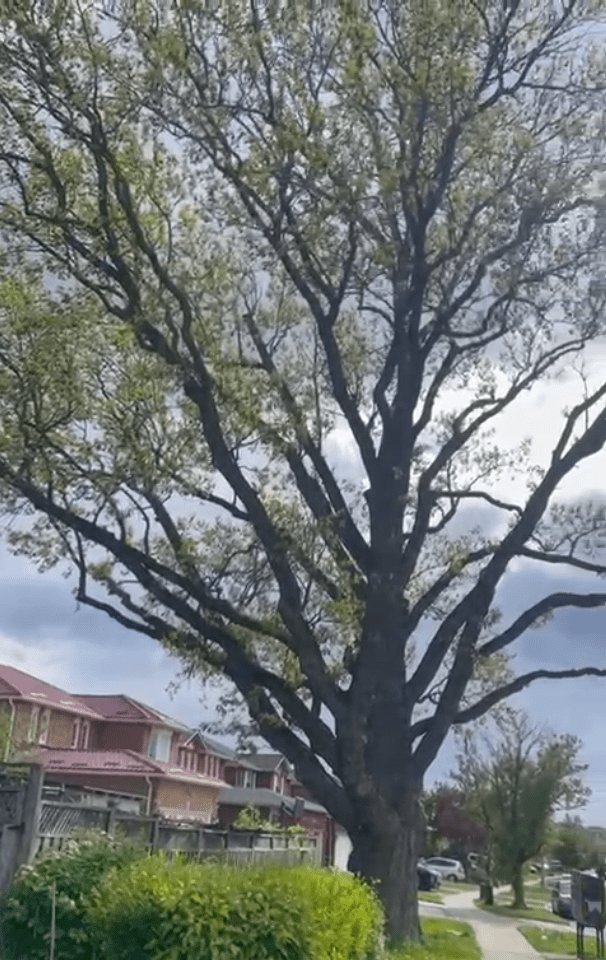
Each morning, my daughter steps out of the house with wide-eyed wonder and a flower in hand. She pauses at the big tree near our house—a tall, silent presence with sprawling branches—and greets them with a smile, a hug, and a gift of nature. She calls it “the big tree.” No matter the weather or the mood, she never forgets. To her, this ritual is simple and joyful, like saying hello to an old friend. To me, it’s become a powerful lesson in connection, presence, and respect.
Out of mindfulness and gender awareness, I refer to the tree as “them.” Trees, like so many parts of our natural world, do not need to be assigned gender, roles, or expectations. They simply are—and perhaps that’s what makes them the truest teachers of all.
My toddler doesn’t intellectualize her actions. She doesn’t do this because it’s trendy or philosophical. She does it because it feels right. She feels a bond with the living world, one that isn’t mediated by belief systems, hierarchy, or reward. It’s unconditional, pure, and freely given.
- She offers a flower because she cares.
- She hugs the tree because she feels connected.
- She says hello because she sees them.
Watching her has made me question so much of what we take for granted as adults. We often search for meaning in complex systems—religion, ideology, identity—while ignoring the sacred that grows around us every day. The tree does not preach. It does not ask for praise. And yet it gives freely: shade, air, beauty, and stability.
The biggest lesson I’ve learned from my toddler is that reverence does not need to be taught; it can be felt. If we took a step back from the institutions and labels we build around the divine, and looked instead at the trees, rivers, skies, and soil, we might find a clearer path to peace and understanding. Nature, after all, doesn’t discriminate. It just exists—in abundance, in cycles, in harmony.
I am writing this down for her—not just to capture a tender memory, but to give her a mirror for later. She may forget this ritual someday, swept up in the speed and complexity of growing up. But if she ever comes across these words, I want her to remember that at one point, she knew the secret we often forget as adults:
“That god, or whatever name we give to the sacred, might just be waving through the leaves of the tree you hug every morning.”
And that love, when given without agenda, can be as simple as a flower in a small hand.
Each morning, my daughter steps out of the house with wide-eyed wonder and a flower in hand. She pauses at the big tree near our house—a tall, silent presence with sprawling branches—and greets them with a smile, a hug, and a gift of nature. She calls it “the big tree.” No matter the weather or the mood, she never forgets. To her, this ritual is simple and joyful, like saying hello to an old friend. To me, it’s become a powerful lesson in connection, presence, and respect.
Out of mindfulness and gender awareness, I refer to the tree as “them.” Trees, like so many parts of our natural world, do not need to be assigned gender, roles, or expectations. They simply are—and perhaps that’s what makes them the truest teachers of all.
My toddler doesn’t intellectualize her actions. She doesn’t do this because it’s trendy or philosophical. She does it because it feels right. She feels a bond with the living world, one that isn’t mediated by belief systems, hierarchy, or reward. It’s unconditional, pure, and freely given.
- She offers a flower because she cares.
- She hugs the tree because she feels connected.
- She says hello because she sees them.
Watching her has made me question so much of what we take for granted as adults. We often search for meaning in complex systems—religion, ideology, identity—while ignoring the sacred that grows around us every day. The tree does not preach. It does not ask for praise. And yet it gives freely: shade, air, beauty, and stability.
The biggest lesson I’ve learned from my toddler is that reverence does not need to be taught; it can be felt. If we took a step back from the institutions and labels we build around the divine, and looked instead at the trees, rivers, skies, and soil, we might find a clearer path to peace and understanding. Nature, after all, doesn’t discriminate. It just exists—in abundance, in cycles, in harmony.
I am writing this down for her—not just to capture a tender memory, but to give her a mirror for later. She may forget this ritual someday, swept up in the speed and complexity of growing up. But if she ever comes across these words, I want her to remember that at one point, she knew the secret we often forget as adults:
“That god, or whatever name we give to the sacred, might just be waving through the leaves of the tree you hug every morning.”
And that love, when given without agenda, can be as simple as a flower in a small hand.

Leave a comment